INNOVATIVE TEACHING AND LEARNING METHODS
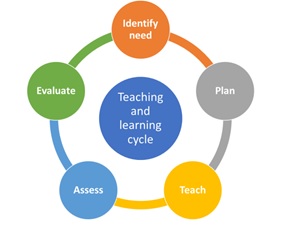
TEACHING - LEARNING PROCESS
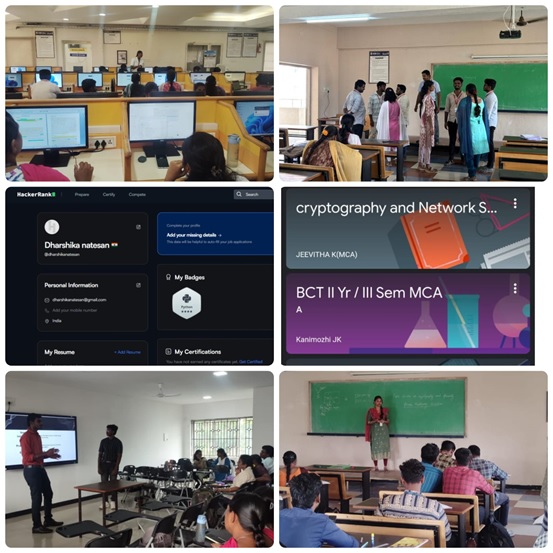
Innovative teaching methods refer to modern, learner-centered instructional approaches that enhance student engagement and understanding through creative strategies and the effective use of technology. These methods move beyond traditional lectures by incorporating hands-on activities, ICT tools, real-world problem solving, and interactive learning experiences to develop practical skills and deeper subject knowledge.
- Interactive whiteboards
- Programming Simulators
- Video Lecturing
- Technical Seminars
- Google Classroom
- Google Meet
- Smart Classrooms with LCD Projectors & Laptops
- Faculty create WhatsApp groups for each class to quickly share lecture notes, assignments, question banks, and other course materials
Learning Tools
Self-learning enables students to independently explore concepts, practice coding, and build skills at their own pace using online resources. Platforms like coding portals support continuous learning beyond the classroom.
- HackerRank
- LeetCode
- CodeChef
- GeeksforGeeks
- W3Schools
- NPTEL
Students are bestowed with e-materials, e-books and Question banks. Students make use of the e-journals for updating their knowledge. E-learning resources are available to enrich the knowledge of the students such as,
- IEEE Explore
- NDL (National Development Library)
- Delnet (Developing Library Network)
- Mooc
- Coursera
Industry-Integrated Learning
- Mini-projects each semester
- Guest lectures by industry experts
- Workshops on trending technologies
- Prototype development
- Value Added Courses
Publications
The active encouragement in publishing technical articles in reputed journals and conferences promote research culture, innovation, and academic excellence.
- Conference Papers
- Journal Publications
- Project-Based Publications
- Review Papers
- Publications in Scopus